
Direct answer: Yes, you should wash most dry fruits before eating them. Rinse them briefly under clean running water to remove dust, handling residue and surface impurities, then pat them dry or leave them to air-dry before eating or storing. Wash only the amount you will eat soon — washed dry fruits spoil faster than dry ones. This guide explains which dry fruits need washing, the right method for each, and the mistakes to avoid.
Dry fruits travel a long way before they reach your kitchen. Almonds, raisins, dates, walnuts and cashews are harvested, dried, packed, transported and displayed in shops and markets, often in open containers. Along the way they pick up dust, and they are handled by many people. Washing removes that surface dust and anything else that settled on them during handling and storage.
Washing also improves the taste and texture. Raisins and dates can carry a light dusty film that dulls their sweetness; a quick rinse brings back their natural flavour. For nuts that you plan to soak — almonds, for example — washing first means the soaking water starts clean. It is a small step that makes a real difference to hygiene, and it takes less than a minute.
One important point: washing is not the same as soaking. Washing is a quick rinse to clean the surface. Soaking is leaving nuts in water for hours to soften them. Both have their place, and this guide covers both.
Most dry fruits benefit from a rinse, but the method differs by type:
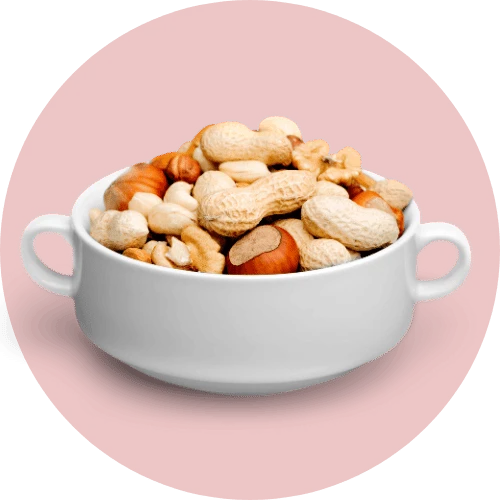
Put the nuts in a bowl, cover them with clean water, and rub them gently between your hands for 20 to 30 seconds. Drain the water, give them one more quick rinse under running water, and spread them on a clean cloth or paper towel to dry. If you are eating them the same day, a quick pat dry is enough. If you plan to soak almonds overnight, wash them first and then soak in fresh clean water — our guide to how to soak almonds overnight the right way explains the soaking step in detail.
Raisins trap dust in their wrinkles, so they need a little more attention. Put them in a strainer and rinse under running water, shaking the strainer gently, for about 30 seconds. Then spread them on a cloth to dry. Raisins absorb water quickly, so do not leave them sitting in a bowl of water — a rinse is enough. The same method works for dried cranberries and other small dried fruit.
Dates are sticky, so dust clings to them. Rinse them one by one or in small handfuls under running water, rubbing gently to remove the dusty film. Pat them dry with a clean cloth. Soft dates absorb water, so rinse quickly and dry them well — soggy dates spoil fast. If you bought dates in a sealed box from a trusted seller, a light rinse is still worth doing.
Figs have a rough, folded surface that holds dust. Rinse them under running water while rubbing gently, then pat dry. If the figs are very dry and hard, a 5-minute soak in warm water after washing softens them nicely — drain and eat them the same day.
Washing takes seconds and cleans the surface. Soaking takes hours and changes the nut itself — it softens the texture, makes the skin easier to peel, and many people find soaked nuts easier to digest. Almonds are the classic example: wash them, then soak them overnight in clean water, peel in the morning, and eat. Walnuts can also be soaked for a few hours if you find them hard to chew.
Do not soak nuts you plan to store. Soaked nuts must be eaten the same day, or they will spoil. Always soak in clean drinking water, in a covered bowl, and change the water if you soak for more than 8 hours. Never reuse soaking water for cooking — it contains the dust and residue the nuts released.
Drying matters as much as washing. Wet dry fruits left in a closed jar will grow mould within days. After washing, spread the nuts or fruit in a single layer on a clean cloth or tray and let them air-dry fully — usually 30 minutes to an hour, longer for dates and figs. In winter, a sunny windowsill speeds things up; in summer, a fan helps.
Only put fully dry fruit back into storage. Use an airtight jar or container, keep it in a cool, dry place, and keep different types separate so their flavours do not mix. For the full storage method — including how long each type keeps and the signs that dry fruits have gone stale — read our guide on how to store dry fruits at home. As a rule, wash only what you will eat in the next day or two, and keep the rest dry in the jar.
Buying good-quality dry fruits also helps — clean, well-packed fruit needs less washing than loose fruit from an open sack. Our guide to the best dry fruits to buy online in Pakistan explains how to choose quality stock in the first place.
Yes. Dry fruits are handled many times during harvesting, drying, packing and selling, and they collect dust along the way. A quick rinse under clean running water removes surface dust and makes them safe and pleasant to eat.
No. Never use soap or detergent on dry fruits. Clean running water is enough. Soap leaves a residue on the surface that you cannot rinse off fully, and it spoils the taste.
Yes, wash almonds first, then soak them in fresh clean water. Washing removes the dust so the soaking water starts clean. Drain the soaking water in the morning and eat the almonds the same day.
Spread them in a single layer on a clean cloth or tray and let them air-dry fully before eating or storing — usually 30 minutes to an hour. Never put damp dry fruits in a sealed jar, or they will grow mould within days.
Yes, a quick rinse is still worth doing. Sealed packs are handled during packing and transport, and a rinse costs nothing. The exception is dry fruits you are about to roast — wash and fully dry them first, then roast.
No. Wash only the amount you will eat in the next day or two. Washed dry fruits absorb moisture and spoil much faster than dry ones. Keep the rest dry in an airtight container in a cool place.


All the power of niche in your pocket. Schedule, publish and monitir your accounts with ease.