
Direct answer: To store almonds in summer without a fridge, keep them in a clean, airtight glass jar in the coolest, darkest cupboard in your home, away from the stove and sunlight. Buy in small quantities, keep the jar sealed, and use them up within a few weeks. If your kitchen regularly goes above 35°C, a clay pot (matka) in a shaded spot, or a cool basement shelf, works better than a warm kitchen shelf — and the almonds will stay fresh and sweet instead of turning bitter and rancid.
Almonds are rich in natural oils, and heat plus air is what turns those oils rancid. In a Pakistani summer, a kitchen can sit at 35 to 40°C for hours, and a jar left near the stove or in sunlight gets hotter still. Under those conditions almonds can go stale in two to three weeks: they taste bitter, smell like old oil, and lose the flavour that makes them worth buying.
Moisture makes it worse. Summer humidity, a damp spoon, or a jar opened with wet hands can let mould grow on almonds, especially if they are stored in a plastic bag rather than a sealed jar. And in summer, pantry moths and weevils are more active — a poorly sealed container is an invitation.
The good news is that you do not need a fridge to keep almonds fresh through the summer. You need the right container, the right spot in the house, and the habit of buying small and using them up. For the general principles, see our guide to how to store dry fruits at home.
The container matters more than anything else in summer storage.
A clean glass jar with a screw-on or clip lid keeps air and moisture out and does not absorb smells. Glass also stays cooler than plastic in a warm room. Wash the jar, dry it completely in the sun or with a clean cloth, and only fill it when it is fully dry — even a few drops of water inside the jar can cause mould.
A traditional clay pot (matka or small ghara) breathes slightly and stays cooler than its surroundings through evaporation. In a shaded spot, a clay pot can keep almonds several degrees cooler than a kitchen shelf. It is a good option if you have no cool cupboard. Make sure the pot has a tight lid and is kept dry inside.
Thin plastic bags let air in, tear easily, and do nothing to keep almonds cool. Open bowls are the worst option in summer: the almonds sit in warm, humid air all day and attract insects. If you buy almonds in a bag, transfer them to a jar the same day.
Every house has cooler and hotter places. In summer, the coolest spots are usually the lowest floor, a north-facing room, a basement shelf, or a cupboard on a shaded wall. The hottest spots are the kitchen near the stove, shelves above the fridge, and any cupboard that gets direct afternoon sun.
Put the almond jar in the coolest cupboard you have, away from the stove and away from the outside wall that heats up in the afternoon. If you have a basement or a ground-floor storeroom, that is ideal. Never store almonds on top of the fridge — the heat from the motor warms the shelf above it.
Keep the jar out of direct sunlight at all times. Sunlight through a kitchen window can heat a glass jar surprisingly fast, and light also speeds up the oils going rancid.
The single best summer habit is buying less, more often. A one-kilo bag that sits for two months in summer heat will be stale by the end; four 250-gram packs bought fresh through the season will stay sweet.
Buy only what you will use in two to three weeks in peak summer. If you do buy a larger quantity — for example, for a family that eats almonds daily — split it into two jars: a small jar for daily use, and a large jar that stays sealed and is only opened to refill the small one. Every time you open the large jar you let in warm, humid air, so opening it less keeps the almonds fresher.
Our guide to the best almonds to buy in Pakistan explains how to choose fresh stock in the first place — fresh almonds at the start of summer are half the battle.
Moisture is the enemy, and summer makes it harder to avoid. Always use a clean, dry spoon or dry hands to take almonds out of the jar. Never put a wet spoon back in. If you soak almonds overnight — see our guide on how to soak almonds overnight — take out only the almonds you will soak, and do not return soaked almonds to the jar.
If your kitchen is very humid, a small food-safe silica gel packet in the jar can help, as long as it never touches the almonds directly and you keep it away from children. Do not use rice or salt as a drying agent inside the jar — they can add moisture or dust to the almonds.
Check your almonds every week in summer. The signs are easy to spot once you know them — our guide to how to tell if dry fruits are fresh or stale covers all dry fruits in detail.
Fresh almonds smell mild, sweet and nutty. Rancid almonds smell like old paint, crayons or stale oil. If the jar smells off when you open it, do not eat the almonds.
Bite one almond. A fresh almond is crisp and sweet. A stale one tastes bitter or soapy. One bitter almond in a jar does not mean the whole jar is bad, but if most taste bitter, the batch has gone rancid.
Look for white or green mould, shrivelled kernels, or tiny holes that suggest insects. Any mould means the almonds should be thrown away — do not just pick out the mouldy ones, because the mould can spread invisibly through the jar.
If almonds have gone soft or chewy instead of crisp, they have absorbed moisture. Spread them on a tray in the shade for a few hours — do not use an oven, which can burn them — and if they crisp up and smell fine, they are still usable. If they stay soft or smell off, discard them.
Some homes — a top-floor flat, a small kitchen with no cupboard away from the stove — have no genuinely cool spot in summer. In that case, a few extra tricks help.
Wrap the glass jar in a damp cotton cloth and keep it in a shaded, breezy spot; evaporation from the cloth cools the jar slightly. Keep the jar in a larger clay pot with a lid, which acts as insulation. Or store the almonds in the coolest room in the house — often a bedroom — rather than the kitchen, and bring the small daily jar to the kitchen each morning.
If even that is not possible, buy almonds in the smallest packs available and use them within a week. Fresh stock bought often beats a large jar stored badly.
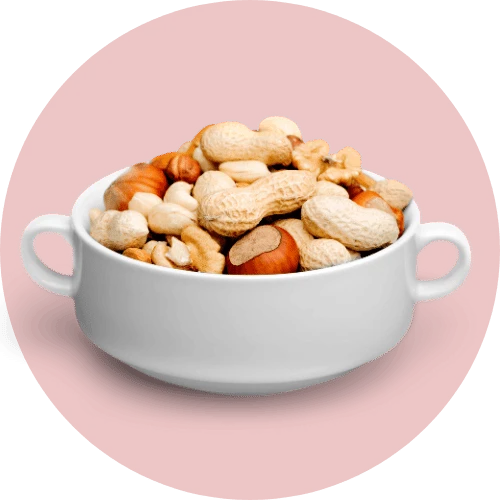
The same rules apply to walnuts, pistachios, cashews and mixed dry fruits: airtight glass, cool dark spot, small quantities, dry hands. Walnuts go rancid even faster than almonds because of their higher oil content, so they deserve the coolest spot you have. Dates are more forgiving — they keep well at room temperature — but in peak summer they can dry out or attract insects, so keep them sealed too. See our guide to how to store dates so they stay soft and fresh for date-specific tips.
Yes. Keep them in a clean, airtight glass jar in the coolest, darkest cupboard in the house, away from the stove and sunlight. Buy small quantities and use them within two to three weeks. A clay pot in a shaded spot also works well.
In a cool, sealed jar, almonds usually stay fresh for four to six weeks in summer. In a warm kitchen, in a bag or an open container, they can go rancid in two to three weeks. Check them weekly by smell and taste.
Bitterness is usually rancidity — the natural oils in the almonds have gone stale from heat and air. It can also be a sign of old stock. Buy fresh almonds, store them sealed and cool, and use them up quickly in hot weather.
A jar. A clean glass jar with a tight lid protects almonds from air, moisture and insects far better than a plastic bag. Transfer almonds from the shop bag to a jar on the day you buy them.
Yes, a clay pot with a tight lid is a good traditional option — it stays cooler than its surroundings. Keep the pot in a shaded spot, keep it dry inside, and use a clean, dry spoon.
Spread them on a tray in the shade for a few hours so they dry out. If they crisp up and smell sweet, they are fine to eat. If they stay soft, smell off or taste bitter, throw them away.


All the power of niche in your pocket. Schedule, publish and monitir your accounts with ease.