Direct answer: To sell online in Pakistan, open your own online store on a marketplace platform like KPK Collection, add your products with clear photos and honest descriptions, set cash on delivery and card payment options, and share your store link on WhatsApp and social media. You can start taking orders the same day, without hiring a developer or building a website from scratch. This guide explains each step in plain language.
More Pakistanis shop on their phones every year. Customers in Karachi, Lahore, Islamabad, Rawalpindi, Faisalabad and smaller towns now expect to browse products online, order from home, and pay cash on delivery. A shopkeeper who only sells from a physical counter reaches the people who walk past the shop. A seller with an online store reaches the whole country.
The cost of starting has fallen sharply. A few years ago, selling online meant paying a developer, buying hosting, and managing payments yourself. Today, marketplace platforms give you a ready-made storefront. You fill in your products and shop details, and the technical work is already done. That is why students, home-based sellers, and small shop owners are opening stores in large numbers — the barrier is now effort, not money or technical skill.
Online selling also protects you from slow days at the shop. When footfall is low, orders can still come in from your store link. And every order teaches you something: which products sell, which cities order most, and what customers ask for. That information is hard to get from a counter alone.
You do not need much to start, but having these ready makes the setup fast.
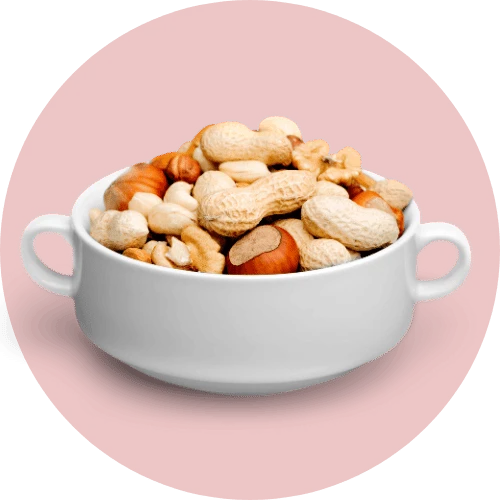
Start with the products you already sell or can source steadily — dry fruits, clothing, electronics, beauty products, home goods, or anything with regular demand. Ten well-presented products sell better than a hundred poorly listed ones. Pick items you know well, so you can answer customer questions confidently.
Customers cannot touch your product online, so photos do the selling. Take pictures in daylight, against a plain background, from two or three angles. A phone camera is enough. Blurry or dark photos are the single biggest reason new stores lose sales, so take your time here.
Choose a short, memorable name that tells customers what you sell. Avoid names that are hard to spell or that copy a famous brand. Your store name becomes your web address, so pick one you will be happy to print on packaging and share on WhatsApp.
Decide how orders will reach customers — by courier across Pakistan, or by local delivery in your city — and which payment methods you will accept. Cash on delivery is the most trusted option for new buyers in Pakistan, so offer it from day one. For more on how buyers judge payment safety, see our guide to cash on delivery in Pakistan.
Opening a store on a marketplace platform is a simple process. If you want the detailed walkthrough, read our guide on how to create your own online store in Pakistan in one minute. The short version is:
Create your seller account and choose your store name. This takes a couple of minutes and needs only basic details — your name, phone number, and shop information.
Upload photos, write a clear title, and add an honest description: what the product is, what it is made of, how it is packed, and how it should be used or stored. Add the weight or size where it matters, and set a fair price. Customers trust listings that answer their questions before they ask.
Turn on cash on delivery, and add card payment if the platform supports it. Set your delivery areas and charges clearly. Hidden delivery charges at checkout are one of the top reasons customers abandon orders.
Your store gets its own web link. Share it on WhatsApp, Facebook, Instagram, and with your existing customers. Your first orders often come from people who already know you — they just need the link.
A good listing answers three questions: what is this, why should I buy it from you, and what happens after I order? Write titles that say the product and its key quality plainly, for example "Premium Almonds 1kg" rather than a vague brand-style name. In the description, include the quantity, the origin or grade where relevant, and how the product is packed.
Price honestly. Customers in Pakistan compare prices quickly, and a price that looks too good to be true usually scares buyers away rather than attracting them. A fair price with clear delivery terms beats a low price with hidden charges every time.
Keep your listings updated. If a product is out of stock, mark it so. Nothing damages a new store faster than accepting an order you cannot fulfil. If you run both a physical shop and an online store, keep one stock record for both — this is exactly what a counter POS system does, and you can read how it works in our guide to a SaaS marketplace with website, POS and online store together.
Most online buyers in Pakistan still prefer cash on delivery, especially for their first order from a new store. Offer COD from the start — it removes the biggest fear a new customer has, which is paying and receiving nothing. As customers trust you, many will happily pay by card for convenience.
If the platform offers card payment through a bank gateway, turn it on. It lets customers abroad order for their families in Pakistan, and it speeds up your cash flow. Never ask a customer to send payment to a personal account or wallet before you have shipped — that is how scams work, and honest sellers should not copy the pattern. To understand the full picture, see how KPK Collection works for sellers, including payments, delivery and courier options.
Pack every order as if the customer will open it in front of their family — because they often do. Use a sturdy box or bag, protect fragile items, and include a small thank-you note with your store name. Good packaging costs little and earns repeat orders.
Use a reliable courier for orders outside your city, and confirm the delivery address and phone number with the customer before dispatch. A quick WhatsApp message saying the order is on its way, with the expected delivery day, prevents most "where is my order?" calls. If an order is delayed, tell the customer first — silence is what turns a delay into a complaint.
Opening a store on a marketplace platform costs far less than renting a shop or building a custom website. Many platforms offer a free trial period so you can test selling before paying anything — on KPK Collection, for example, the free trial runs for 30 days, with paid plans after that for sellers who want more features. Your main costs are your products, packaging, and delivery. Start small, reinvest your early profits into more stock, and grow at a pace your cash flow can support.
Yes. Many sellers start as individuals or home-based businesses on a marketplace platform. You can register your business later as your sales grow. Keep proper records from the start so the transition is easy.
No. A marketplace store gives you your own web link and storefront without building a website. Your store has its own address, your own products, and your own customers — the platform simply provides the technology.
Cash on delivery is safe when you confirm the order by phone or WhatsApp before dispatch and use a reliable courier. Some orders will be refused on delivery; that is a normal cost of COD selling, and it is far outweighed by the extra orders COD brings in.
Share your store link with your existing customers, family and friends, and on your WhatsApp status and social media pages. Offer a small opening discount or free delivery on first orders, and ask happy customers to share your link. Your first ten customers matter more than your first hundred visitors.
Everyday products with steady demand sell best: dry fruits and foods, clothing, mobile accessories, beauty products and home goods. The best product for you is one you can supply reliably, photograph well, and describe honestly — not necessarily the trendiest item.
Yes, and this is the strongest combination. Your shop gives customers a place to trust you, and your online store brings orders beyond your neighbourhood. A POS system keeps the stock of both in sync, so you never sell the same item twice.


All the power of niche in your pocket. Schedule, publish and monitir your accounts with ease.