
Direct answer: The best dry fruits for memory and students are walnuts, almonds, dates, pumpkin seeds and raisins. Walnuts support brain structure, almonds help concentration, dates give steady energy for long study hours, and pumpkin seeds provide zinc and magnesium for focus. A small daily handful — eaten with breakfast or as a study snack — is the simplest brain-food habit a student can build.
Studying is hard work for the brain. It burns energy, needs a steady supply of nutrients, and performs best when blood sugar is stable — not spiking and crashing. Dry fruits fit that need well: they provide slow-release energy from natural sugars and healthy fats, plus the vitamins and minerals the brain uses every day.
The key nutrients are omega-3 fatty acids (for brain cell structure), vitamin E (which protects brain cells), zinc and magnesium (for focus and calm), and iron (which carries oxygen to the brain). No single food has all of them, which is why a small mix of different dry fruits works better than one nut eaten alone.
Just as important is what dry fruits replace. A student who snacks on a handful of nuts instead of a packet of crisps or a sugary biscuit gets steady energy instead of a sugar spike followed by a crash. Over a long study day, that difference is real — and it shows in concentration.
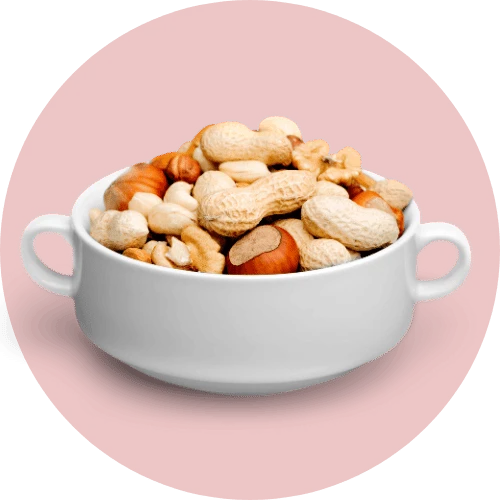
Walnuts are the most famous brain food in the dry fruit world, and the science backs it up: they are one of the richest plant sources of omega-3 fats, which the brain needs to build and maintain its cells. They also contain vitamin E and polyphenols that protect brain cells from damage. Two to three walnuts a day is a sensible portion. See our guide on how to use walnuts for brain health for the full picture.
Almonds are the traditional study food in Pakistan, and for good reason. They are rich in vitamin E, magnesium and riboflavin, all of which support memory and concentration. Soaked almonds are easier to digest and are a breakfast favourite for students. Five to seven soaked almonds a day is the classic portion. See our guides to how to eat almonds for maximum health benefits and how to soak almonds overnight.
Dates are the best natural energy food for students. Their natural sugars release slowly, so they keep you going through a long study session without a crash. They also provide iron and potassium, and they are a much better sweet snack than chocolate or biscuits. Two to three dates with a handful of nuts is an ideal study snack. See our guide on how to eat dates for energy.
Pumpkin seeds are small but powerful: they are rich in zinc, magnesium, iron and healthy fats. Zinc supports memory and learning, and magnesium helps with calm and sleep — both of which matter enormously during exam season. A tablespoon of pumpkin seeds a day is enough. See our guide to the best pumpkin seeds in Pakistan.
Raisins give quick, natural energy and provide iron and boron, a mineral linked to attention and memory. They are also the easiest dry fruit to carry — a small box of raisins fits in any school bag or pocket. A small handful (about a tablespoon) is the right portion.
Pistachios are rich in vitamin B6, which the brain uses to make the chemicals that control mood and focus. They are also satisfying to eat slowly — shelling them one by one makes a natural study break. A small handful is enough.
You do not need a complicated plan. This routine takes two minutes a day.
Eat five to seven soaked almonds with two dates at breakfast, or blend them into dry fruit milk. This gives you vitamin E, iron and steady energy to start the day. Our recipe for homemade trail mix is another easy breakfast option.
Keep a small box of mixed nuts — walnuts, pistachios, pumpkin seeds and raisins — in your bag. A handful between classes keeps your energy steady and your concentration up.
Before an evening study session, eat two to three walnuts with two dates. The combination of omega-3 fats and slow-release sugars is ideal for a long stretch of focused work.
A small glass of warm milk with soaked almonds or a pinch of saffron is a traditional bedtime drink. It is calming, and good sleep is the single most important thing for memory — the brain stores what you studied while you sleep.
Exam season is when brain food matters most, and also when students eat worst — skipping meals, living on tea and biscuits, and studying late into the night. A few simple rules help.
Never skip breakfast on exam day. The brain needs fuel in the morning. Almonds, dates and a glass of milk are a quick, complete breakfast that takes five minutes.
Eat before you study, not during. A heavy meal makes you sleepy. Eat a light snack — a handful of nuts and a date — about 30 minutes before a study session, then study on steady energy.
Keep water on your desk. Dehydration is one of the fastest ways to lose concentration. Keep a bottle of water beside you and drink regularly. Dry fruits are dry food — they work best with enough water.
Do not change your diet on exam day. Exam day is not the time to try a new food. Eat the breakfast you have been eating all month, so your stomach and your brain both know what to expect.
Brain food is only half the story. These habits undo the good work:
The easiest way to make brain food a habit is to prepare a snack box once a week. Mix walnuts, almonds, pistachios, pumpkin seeds and raisins in a jar, and take a small handful each day. The mix keeps well in an airtight jar for weeks, and it costs far less than buying snacks every day.
For younger students, keep portions small and chop the nuts for very young children. See our guide to dry fruits for children for safe portions by age. And for the wider health picture, see our guides to dry fruits for winter in Pakistan and dry fruits for heart health.
Walnuts are the best single choice for memory, because they are rich in omega-3 fats that the brain needs to build and maintain its cells. Almonds are a close second for concentration. But a small mix of walnuts, almonds, dates and pumpkin seeds works better than any one nut alone.
Five to seven soaked almonds a day is the classic portion for students. Soak them overnight and eat them at breakfast. More is not better — almonds are calorie-dense, so a small daily handful is the right amount.
Yes. Dates give slow-release natural energy that lasts through long study hours without a sugar crash. They also provide iron and potassium. Two to three dates with a handful of nuts is an ideal study snack.
Eat the breakfast you have been eating all month — do not try anything new on exam day. Almonds, dates and a glass of milk are a quick, complete breakfast. Eat at least an hour before the exam so you are settled and comfortable.
No. Dry fruits are a snack and a supplement, not a meal. Students need proper meals — breakfast, lunch and dinner — plus a small handful of nuts as a snack. Skipping meals to eat only nuts will hurt concentration, not help it.
Both. The tradition exists because the foods work: walnuts provide omega-3 fats, almonds provide vitamin E, dates provide steady energy, and pumpkin seeds provide zinc and magnesium. The science supports the tradition — but no food replaces sleep, regular meals and proper revision.


All the power of niche in your pocket. Schedule, publish and monitir your accounts with ease.