Direct answer: The best peanuts in Pakistan depend on how you plan to eat them. Roasted peanuts are ready to eat, crunchy and full of flavour, making them the better choice for snacking. Raw peanuts are cheaper, softer and better for cooking, grinding into peanut butter, or soaking. For everyday snacking, roasted peanuts win; for the kitchen, raw peanuts are the smarter buy.
Peanuts, or moong phali, are one of the most loved snacks in Pakistan. You will find them everywhere — at roadside stalls in winter, in Chakwal and Attock markets, in roasted, salted, masala and honey-roasted varieties, and in the kitchen as an ingredient in chutneys, chikki and peanut butter.
The choice between roasted and raw comes down to three things: taste, nutrition and use. Roasting changes the flavour, the texture and some of the nutrients. It does not make peanuts bad, and raw peanuts are not automatically healthier. Both have a place, and the best choice is the one that matches what you want to do with them.
Here is the short version. Roasted peanuts taste richer and nuttier, stay crunchy for weeks, and are ready to eat straight from the pack. Raw peanuts are milder and softer, cost less, and give you more control — you can roast them yourself, boil them, grind them, or cook with them. If you only want a snack, buy roasted. If you cook with peanuts, buy raw.
Roasting is simple: peanuts are heated in their shells or shelled, usually in an oven or a large pan, until the oils inside warm up and the flavour deepens. That heat does several things at once.
First, it creates the roasted flavour. The same browning reaction that makes bread crust and roasted coffee taste good also works on peanuts, producing the nutty, toasty taste people love. Raw peanuts taste mild, almost grassy by comparison, and some people find them bland on their own.
Second, roasting dries the peanut out. A roasted peanut is crunchy and snaps cleanly. A raw peanut is softer and slightly chewy. That crunch is why roasted peanuts are the default snack in Pakistan — they are satisfying to eat by the handful.
Third, roasting changes the nutrients a little. The healthy fats in peanuts are mostly stable, and the protein stays the same. Some vitamins, especially the B vitamins, drop slightly with heat. Roasting also makes some nutrients, like the antioxidants in the peanut skin, easier for the body to absorb. Overall, the nutritional difference between roasted and raw peanuts is small — flavour and use matter far more than the vitamin difference.
One real downside of roasting: if peanuts are roasted at very high heat for too long, some of the oils can oxidise, which shortens shelf life and can give a stale taste. Well-roasted peanuts from a good seller do not have this problem, but it is one reason to buy from a seller who roasts in small batches and packs the peanuts soon after.
Roasted peanuts are the better choice in most everyday situations. If you want a snack for the family, a handful with evening tea, or something to keep at your desk, roasted peanuts are ready the moment you open the pack.
They are also the better choice for gifting and sharing. A pack of roasted salted peanuts, masala peanuts or honey-roasted peanuts is a classic winter gift in Pakistan, and it needs no preparation at all. For more on choosing quality dry fruits as gifts, see our winter dry fruit gift guide.
Roasted peanuts also keep well. Because roasting drives out moisture, roasted peanuts in an airtight jar stay crunchy for weeks, even in humid weather. Raw peanuts absorb moisture more easily and can go soft or develop a musty smell if stored badly. Our guide on how to store dry fruits at home covers the jar and storage rules that work for both types.
Raw peanuts win in the kitchen. If you make peanut butter, chutney, chikki or peanut-based curries, raw peanuts give you control over the roast level, the salt and the texture. Shop-bought roasted peanuts are often already salted or flavoured, which limits what you can do with them.
Raw peanuts are also usually cheaper, because the seller has not spent time and fuel roasting them. If you buy in bulk for a family, the saving adds up — especially in winter, when peanuts are in season and prices are at their best.
Boiled peanuts are another good use for raw peanuts. Boiled peanuts are soft, salty and very popular in parts of Punjab, and you cannot make them from already-roasted peanuts. Soaking raw peanuts overnight also works well if you like them soft, and it is the same technique used for almonds — see our guide on how to soak almonds overnight.
One caution: raw peanuts must be fresh. Because they still carry their natural moisture, old raw peanuts can taste bitter or develop mould. Always check the smell and the look before buying — our guide on how to tell if dry fruits are fresh or stale explains the checks.
Pakistani markets sell more peanut varieties than most buyers realise. Knowing the names helps you buy the right one.
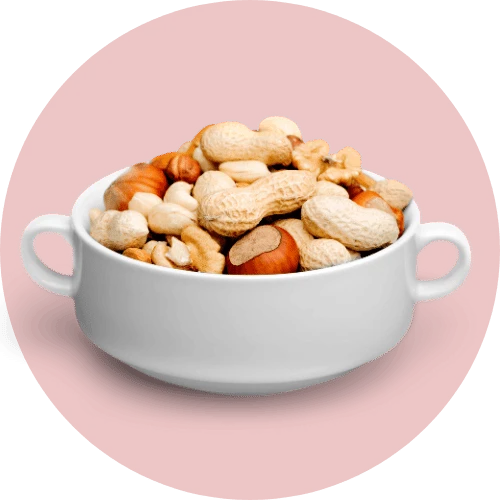
Chakwal peanuts are famous across Pakistan for their size and flavour. They are usually sold in the shell, roasted, and eaten as a winter snack. The shells are easy to crack and the kernels inside are large and sweet.
Attock peanuts are another well-known variety, similar in quality to Chakwal peanuts. They are popular in northern Punjab and are often sold roasted and salted.
The everyday snack peanut. Shelled, roasted and lightly salted. The simplest and most widely available form — a good test of any seller, because bad salted peanuts taste stale fast.
Roasted peanuts coated in spices. Great as a tea-time snack, but check the ingredients: good masala peanuts use real spices, while poor ones rely on artificial flavour and too much salt.
Roasted peanuts with a sweet coating. Popular with children and as a gift item. Because of the sugar coating they are a treat rather than a daily health snack.
Peanut butter is made from ground roasted peanuts, and chikki is peanuts set in jaggery. Both are good ways to use peanuts, but check the label — the best peanut butter contains only peanuts and a little salt, and the best chikki uses jaggery rather than refined sugar.
Whether you buy roasted or raw, the quality checks are the same. Use them every time you buy.
Fresh peanuts smell nutty and clean. A musty, sour or chemical smell means the peanuts are old or were stored in damp conditions. Do not buy them.
Roasted peanuts should be an even golden brown, not dark or patchy. Very dark peanuts were over-roasted and will taste bitter. Raw peanuts should be pale cream with no dark spots or green mould.
A good seller will let you taste a peanut before you buy a kilo. A fresh peanut is crunchy and sweet; a stale one is soft, chewy or bitter. If you are buying online, order a small pack first and check it before ordering more — the same rule applies to all dry fruits, as explained in our guide to buying dry fruits safely online.
Peanuts sold loose in open sacks absorb moisture and dust. Sealed packs with a packing date stay fresh far longer, and the date tells you how long the peanuts have been sitting on the shelf.
If you buy peanuts in the shell, the shell should be dry, clean and unbroken. Damp or stained shells mean the peanuts inside may be spoiled even if the shell looks fine.
Peanuts are a strong food in either form. A small handful gives you protein, healthy fats, fibre, vitamin E, magnesium and folate. That is why peanuts are a staple in Pakistani winter diets and a favourite for school lunchboxes and office snacks.
The differences are small. Raw peanuts keep a little more of their B vitamins. Roasted peanuts have slightly more available antioxidants from the skin. The calories and protein are almost identical. What changes the health value far more than roasting is what is added afterwards: salt, sugar coatings and heavy spice mixes add sodium and calories without adding nutrition.
If you eat peanuts for health, the best habit is simple: choose plain roasted or raw peanuts, eat a small handful a day, and skip the heavily salted or sugar-coated versions most of the time. For more on how dry fruits fit into a healthy diet, see our guide to dry fruits for heart health and our guide to the best dry fruits to buy online in Pakistan.
Store peanuts in an airtight jar in a cool, dry place, away from sunlight. Roasted peanuts stay crunchy for several weeks this way. Raw peanuts keep best in the fridge, especially in summer, because their natural moisture makes them spoil faster at room temperature.
Never store peanuts in a damp kitchen cupboard or in an open bowl. In monsoon season, even roasted peanuts can go soft within days if left open. A simple glass jar with a tight lid solves the problem. If your peanuts do go soft, you can crisp roasted peanuts again by warming them briefly in a dry pan — but if they smell musty, throw them away.
Buy roasted peanuts if you want a ready snack, a gift, or something the whole family can eat straight from the jar. Buy raw peanuts if you cook with them, make peanut butter or chikki, or want the lowest cost per kilo. Many Pakistani households keep both: roasted for snacking and raw for the kitchen.
Whichever you choose, buy from a seller who packs fresh, roasts in small batches, and tells you the packing date. Good peanuts — roasted or raw — smell clean, taste sweet and stay crunchy. That is the real test, and it matters far more than the label on the pack.
Yes, plain roasted peanuts are healthy. They provide protein, healthy fats, fibre and vitamin E. The healthiest choice is plain roasted peanuts without extra salt or sugar coatings; heavily salted or honey-coated peanuts are better as an occasional treat.
Fresh raw peanuts are safe to eat in small amounts, but they taste mild and are harder to digest than roasted ones. Most people prefer them roasted, boiled or cooked. Always check that raw peanuts smell clean and show no mould before eating.
Chakwal and Attock peanuts are the most famous varieties for snacking, thanks to their large kernels and sweet flavour. For everyday use, any fresh, well-packed roasted or raw peanut from a trusted seller is a good choice.
A small handful — about 30 grams, or roughly a palmful — is a sensible daily portion. Peanuts are nutritious but calorie-dense, so a handful is enough for most people.
Yes. Roasting removes moisture, so roasted peanuts in an airtight jar stay crunchy for weeks. Raw peanuts spoil faster, especially in warm or humid weather, and keep best in the fridge.
Yes. Spread shelled raw peanuts in a single layer on a tray, roast in a medium oven or a dry pan, and stir often until they turn golden and smell nutty. Let them cool completely before storing in an airtight jar.


All the power of niche in your pocket. Schedule, publish and monitir your accounts with ease.