
Direct answer: The best hazelnuts to buy in Pakistan are plump, evenly sized kernels with a smooth, unbroken skin and a sweet, buttery smell. Choose shelled hazelnuts for snacking and cooking, and in-shell hazelnuts when you want the longest shelf life. Fresh hazelnuts should taste sweet and crisp, never bitter or stale — and the surest way to get good ones is to buy from a trusted seller who packs them fresh and stores them properly.
Hazelnuts are one of the finest nuts you can eat. They are rich in healthy fats, vitamin E, magnesium and fibre, and they have a naturally sweet, buttery flavour that makes them a favourite in chocolates, desserts and baking. In Pakistan, hazelnuts are a premium dry fruit — often bought for gifting, for special occasions, and for families who want a nutritious daily snack.
Unlike almonds or walnuts, hazelnuts are not grown in large quantities in Pakistan, so most of the hazelnuts sold here are imported, mainly from Turkey, which grows more hazelnuts than any other country in the world. That makes quality checking even more important: imported nuts travel far, pass through several hands, and can sit in storage for months before they reach you.
The first choice you will face is whether to buy hazelnuts with the shell or without it. Both have their place.
Shelled hazelnuts are ready to eat. They are the practical choice for snacking, baking, grinding into flour, or making nut butter. Their only weakness is that they go stale faster once exposed to air, so buy them in quantities you will finish within a few weeks and store them in an airtight jar.
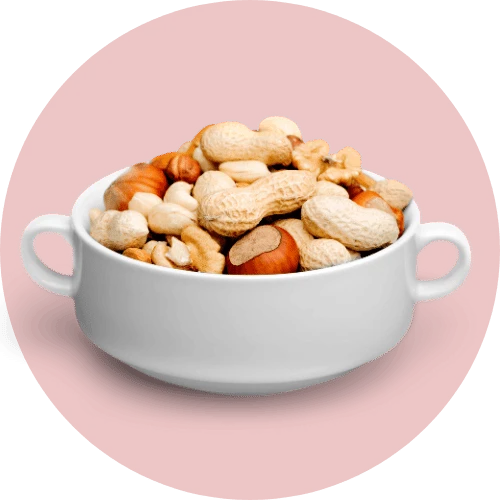
In-shell hazelnuts stay fresh much longer because the shell protects the kernel from air and light. They are the better choice if you buy in bulk or want to keep nuts for months. The trade-off is the work of cracking them — a nutcracker is essential, and you will lose a few kernels to breakage.
For most households, shelled hazelnuts in a sealed pack are the simplest option. Buy in-shell only if you have a good nutcracker and the patience to use it.
Good hazelnuts announce themselves if you know what to look for.
Premium hazelnuts are plump and round, with a fairly even size across the pack. Very small, shrivelled or misshapen kernels are usually lower-grade stock. Uniformity matters because it means the nuts were graded properly, not swept together from mixed lots.
The thin brown skin should be smooth and intact, without cracks, dark spots or white patches. A few loose skins are normal, but a pack full of bare, pale kernels has usually been handled roughly or stored badly.
Fresh hazelnuts smell sweet and nutty, almost like chocolate. If they smell oily, musty or like paint, the fats have gone rancid and the nuts are past their best. Trust your nose — it is the most reliable test you have.
If the seller allows it, taste a kernel. A good hazelnut is crisp and sweet with a buttery finish. Bitterness, chewiness or a soapy aftertaste means the nut is stale or rancid. Our guide on how to tell if dry fruits are fresh or stale covers the same checks for every nut in your pantry.
Raw hazelnuts are the most versatile: you can roast them yourself, grind them, or eat them as they are. Roasted hazelnuts have a deeper, warmer flavour and a crunchier texture, which many people prefer for snacking. If you buy roasted, check that the roasting is even — kernels that are half pale and half dark were roasted carelessly. Avoid hazelnuts roasted in oil if you want the pure nut flavour; dry-roasted is the cleaner choice.
Roasting hazelnuts at home is easy and gives you the freshest result. Spread them on a tray, roast at a moderate heat until the skins loosen, then rub them in a clean cloth to remove most of the skin. The method is similar to the one in our step-by-step guide to roasting nuts at home.
Hazelnuts are rich in oil, which is exactly why they go rancid if stored badly. Keep shelled hazelnuts in an airtight glass jar in a cool, dark cupboard, away from the stove and away from strong-smelling foods — nuts absorb odours easily. In summer, the fridge is a better home than the kitchen shelf. For long storage, the freezer works very well: hazelnuts freeze beautifully and thaw in minutes. In-shell hazelnuts keep for months in a dry, ventilated place. For the full picture, see our guide on how to store dry fruits at home.
Hazelnuts are more than a tasty snack. They are one of the richest nut sources of vitamin E, which supports skin and immune health, and they provide healthy monounsaturated fats similar to those in olive oil. They also contain magnesium, copper, manganese and fibre. A small handful a day — roughly twenty kernels — is a sensible portion. Like all nuts, hazelnuts are energy-dense, so portion control matters if you are watching your weight. Our article on dry fruits for weight loss in Pakistan explains how to fit nuts into a balanced diet.
Hazelnuts are not only for eating by the handful. Chop them into breakfast porridge or yoghurt, blend them into smoothies, grind them into flour for baking, or crush them over salads and desserts. Hazelnut butter — made by blending roasted hazelnuts until smooth — is a delicious spread and a healthier alternative to many commercial chocolate spreads. In winter, hazelnuts with a cup of tea are a classic Pakistani evening snack.
Only in very small quantities. Almost all hazelnuts sold in Pakistan are imported, mainly from Turkey, which is the world's largest hazelnut producer. That is why freshness and proper storage matter so much when you buy them.
A small handful — around 20 kernels — is a sensible daily portion for most adults. It gives you the nutrients without adding too many calories. Adjust the amount to your overall diet and activity level.
No. Hazelnuts do not need soaking. You can eat them raw, roast them, or remove the skins by roasting and rubbing — but soaking is not necessary and is not a common practice for hazelnuts.
In an airtight jar in a cool, dark cupboard, shelled hazelnuts stay good for about two to three months. In the fridge they last up to six months, and in the freezer up to a year. Always check the smell before eating older stock.
Mostly yes. Dry roasting keeps the nutrients largely intact and improves flavour. The main thing to avoid is hazelnuts roasted in oil with added salt or sugar, which add fat and sodium without adding nutrition.
Yes, for children old enough to chew nuts safely — usually from around age five, and always supervised for younger children because whole nuts are a choking risk. Chopped or ground hazelnuts are safer for small children. Our guide on dry fruits for children covers safe portions by age.


All the power of niche in your pocket. Schedule, publish and monitir your accounts with ease.