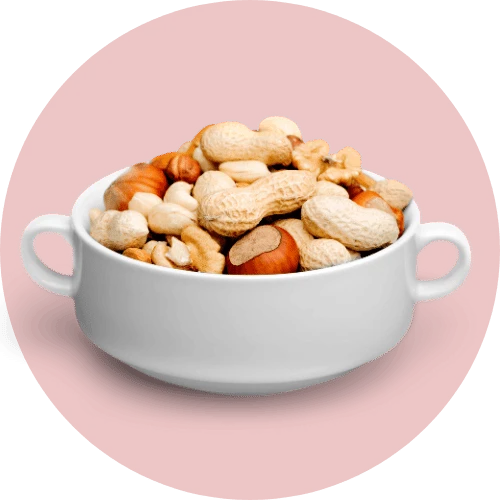

Direct answer: The best dry fruits for elderly people are soft, easy-to-chew choices eaten in small portions: soaked almonds, soaked walnuts, soft dates, raisins, figs and ground nuts mixed into porridge or yoghurt. The key is preparation — soak hard nuts overnight, chop or grind them, and keep portions small. A small handful a day gives valuable protein, healthy fats, fibre and minerals without straining teeth, digestion or blood sugar.
As we age, appetite often falls, teeth weaken, digestion slows and bones need more support. Dry fruits are one of the easiest foods to meet those needs: they are nutrient-dense, so a small amount gives a lot of value; they need no cooking; and they can be prepared in soft, gentle forms. Almonds and walnuts support the brain and heart, dates give quick gentle energy, raisins and figs help digestion, and all of them add fibre, which many older people lack.
At the same time, dry fruits need care in old age. Hard whole nuts are a choking risk and hard on weak teeth. Dates and raisins are sweet and can raise blood sugar. And nuts are high in calories, so portions matter — especially for older people who move less. The goal is a small, daily, well-prepared portion, not a large bowl.
Soaked almonds are the classic choice. Soak five to eight almonds overnight, peel them in the morning, and eat them with breakfast. They are soft, easy to digest and rich in vitamin E, calcium and healthy fats. The full method is in our guide on how to soak almonds overnight.
Soaked walnuts are soft, mild and easy to chew, and they are the best nut source of plant omega-3 fats, which support brain and heart health. Two to three soaked walnut halves a day are enough. Our guide to choosing premium walnuts in Pakistan explains how to pick fresh ones.
Soft dates such as Medjool or Sukri are gentle on teeth and easy to digest, and they give quick energy — useful for older people who eat little at a time. One or two dates a day is a sensible portion, and people with diabetes should check with their doctor first. Our comparison of the best dates in Pakistan explains which varieties are softest.
Raisins and dried figs are soft, naturally sweet and rich in fibre and iron — both helpful for digestion and for the mild anaemia that is common in old age. Soak figs overnight to make them even softer. A small spoonful of raisins or one soaked fig a day is plenty.
For older people who cannot chew nuts at all, a ground mix of almonds, walnuts and pistachios stirred into porridge, yoghurt, milk or a smoothie gives all the nutrition with no chewing at all. Grind a small batch fresh each week and store it in a sealed jar.
Bone health is a major concern in old age, and dry fruits can help. Almonds are one of the best nut sources of calcium, figs provide calcium and magnesium, and walnuts provide the healthy fats that support joint comfort. None of these replace medicine or a doctor's advice for osteoporosis or arthritis — but as part of a diet that also includes dairy, leafy greens and gentle exercise, they make a real contribution. Vitamin D from sunlight and a doctor's guidance on supplements matter at least as much as any food.
Constipation is one of the most common complaints in old age, and dry fruits are a gentle, natural help. Figs and prunes are the classic choices — soaked overnight and eaten in the morning they work slowly and reliably. Raisins and dates add fibre too. The key is water: fibre only helps digestion when the person drinks enough water with it. A glass of warm water with soaked figs in the morning is a traditional Pakistani remedy that still works.
A practical routine for an older person might look like this: five soaked almonds and two soaked walnut halves with breakfast; one soft date or a spoonful of raisins with lunch; and a spoonful of ground mixed nuts stirred into evening milk or porridge. That is the whole routine — small, regular, easy to prepare, and easy to stick to. Consistency matters more than quantity: a small portion every day beats a large portion once a week.
Soaked almonds are the safest all-round choice — soft, easy to digest, rich in vitamin E and calcium. Soaked walnuts are the best for brain health, and soft dates give gentle energy. The best approach is a small mix of two or three kinds, prepared softly, rather than one nut in large amounts.
Yes, in small portions and with the right choices. Almonds, walnuts and pistachios are the safest because they are low in sugar. Dates, raisins and figs are sweet and should be eaten in very small amounts, and only with a doctor's guidance. Our guide on dry fruits for diabetes covers this in detail.
Whole hard nuts are not — they can damage dentures and are hard to chew. But soaked, chopped or ground nuts are fine, and soft dates, soaked figs and raisins are easy to eat with dentures. Always prepare the nuts to match the person's chewing ability.
A small handful in total — for example, five almonds, two walnut halves and one date, or a spoonful of ground mixed nuts. Older people usually need fewer calories, so a small portion is right. More is not better.
They can help as part of the picture: almonds and figs provide calcium and magnesium, and walnuts provide healthy fats. But they do not replace medical treatment, vitamin D, or the exercise a doctor recommends for bone health. Think of them as support, not a cure.
Yes, with two precautions: prepare them in advance — a week's supply of soaked or ground nuts in labelled jars — and make sure the nuts are fresh. Stale nuts are a bigger risk for older people, so check the stock weekly and throw out anything that smells off.


All the power of niche in your pocket. Schedule, publish and monitir your accounts with ease.